Guides
Hamstring strains and ACL tears follow different paths back to sport
Hamstring strains, Achilles tendon pain and torn ACLs are common athletic injuries, and each rehab plan centers on loading the injured tissue step by step [1][2][3]. Returning to sport is a process that runs alongside recovery, not a single decision on one day [4].
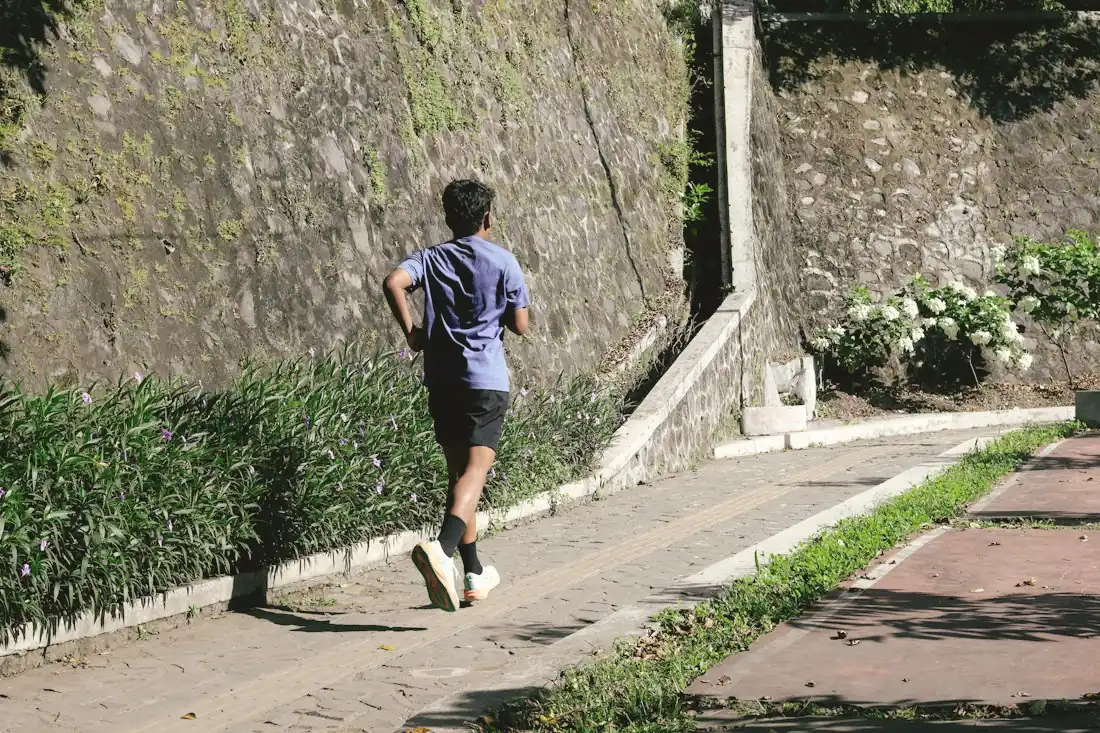
Return to sport runs alongside rehab from the start
Deciding when an athlete goes back to play is a risk management exercise, and it is ideally shared by the clinician, the athlete and the coach [4]. It is not a single call made at the end of rehab [4].
Personal factors matter too. A biopsychosocial approach, which looks at body, mind and social setting together, may help clinicians make sense of what affects an individual athlete's return [4]. The research behind these decisions is still thin [4].
Hamstring strain injuries often allow a return within weeks but frequently recur
Hamstring strains are common in athletes, and a return to sport is typically reached within weeks [1]. The catch is that performance afterward may be impaired and reinjury rates are high [1].
Good rehab depends on a thorough clinical examination and on loading the injured site safely and effectively [1]. Rehabilitation practitioners such as athletic trainers and physical therapists are expected to understand how these injuries happen and how to progress that loading [1].
A review of professional football research sorted return to play criteria into three groups [5]. The clinical group includes the items below [5].
- Absence of pain [5]
- Hamstring flexibility [5]
- Medical staff clearance [5]
- Psychological readiness [5]
- Imaging, and a surgeon's opinion where relevant [5]
The other two groups are strength and performance criteria [5]. Practitioners may benefit from combining criteria in a battery of tests [5].
Achilles tendinopathy limits sport through pain and fear of movement
Achilles tendinopathy is a painful overuse injury of the tendon at the back of the ankle. It is extremely common in athletes, especially those in running and jumping sports [2].
Pain is only part of it. The tendon's structure and mechanical properties change, leg function is altered, and fear of movement can develop [2]. Together these limit sport participation and performance [2].
Treatment centers on progressive tendon loading, which means gradually increasing the work the tendon does [2]. A thorough evaluation is needed to support full recovery of tendon health and to lower the risk of reinjury [2].
ACL reconstruction rehab usually takes around nine months
ACL tears are among the most common orthopedic injuries in athletes [3]. A small share of people with isolated tears can return to sport after nonsurgical rehab, but surgery is frequently recommended for young athletes, especially with other knee injuries or symptomatic knee instability [3].
| Stage | What happens |
|---|---|
| Day 1 or soon after | Physical therapy starts, and pain and swelling are addressed with elevation, activity restriction and cold therapy [3] |
| Early weeks | Non-weight-bearing exercises and passive range of motion, then gradual strengthening [3] |
| First 3 months | Avoid unprotected weight bearing, rotational activity and unprotected single-leg stance while the graft heals [3] |
| About 3 months | Dynamic exercises can begin with neutral leg alignment [3] |
| 5 to 6 months | The move from single-leg activities to full unrestricted activity may take this long after reconstruction [3] |
| Around 9 months | Total expected rehab period [3] |
Quadriceps strength, the muscle at the front of the thigh, is considered the main limiting factor in returning to sport [3]. Quadriceps weakness has also been linked to graft failure [3].
Before discharge from rehab, both the surgeon and the physical therapist should evaluate the patient [3].
Knee instability and slow motion recovery call for a professional check
Some problems deserve a clinician's attention, and for these you should call your doctor [1][2][3].
- Call your doctor if your knee feels unstable. Symptomatic knee instability is one reason surgeons frequently recommend ACL reconstruction [3].
- Call your doctor if you cannot bend your knee well after ACL surgery. Delay in restoring knee bending may cause stiffness from scar tissue [3].
- Call your doctor if pain from a hamstring strain or Achilles problem does not settle with rehab. Both need a thorough examination and safe loading of the injured area [1][2].
ACL and hamstring return to play criteria combine several kinds of measures
After ACL surgery, athletes are encouraged to return once they meet a set of criteria rather than a calendar date [3]. A physical therapist's functional assessment, together with the physician's evaluation, is needed before clearance [3].
- Perceptual and subjective criteria, meaning how the athlete feels and rates the knee [3]
- Objective and neuromuscular criteria, such as strength and control [3]
- Functional tests and sport-specific drills [3]
- Load management testing [3]
- For hamstring strains, pain-free status, flexibility, strength and performance measures [5]
- Psychological readiness [5]
Using several measures fits the broader view that return to sport is a collaborative judgment about risk [4].
Sources
- Hamstring Strain Injury Rehabilitation, Journal of athletic training
- Current Clinical Concepts: Conservative Management of Achilles Tendinopathy, Journal of athletic training
- Return to Sports After Anterior Cruciate Ligament Reconstruction, The Permanente journal
- 2016 Consensus statement on return to sport from the First World Congress in Sports Physical Therapy, Bern, British journal of sports medicine
- Return-to-play criteria following a hamstring injury in professional football: a scoping review, Research in sports medicine (Print)