Guides
Orthopedic specialties cover joints and spine and sports injuries and children's care
Orthopedics is split into subspecialties such as trauma, spine, joint replacement, sports medicine and pediatrics [1][2]. This index shows where common procedures sit and what published research says about them.
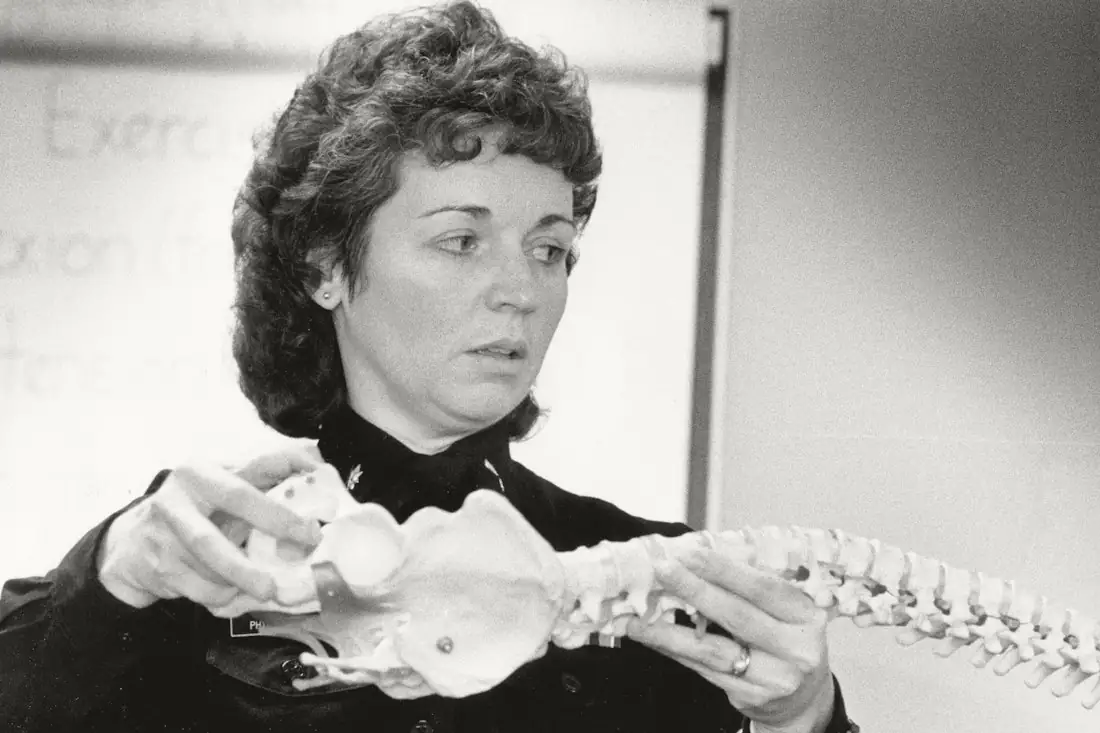
The orthopedic subspecialties group care by body area and by patient
Orthopedic care is not one single field. Surgeons work in subspecialties that include trauma, spine, joint replacement (arthroplasty), revision surgery, sports medicine and pediatrics [1][2][4]. The table below places the procedures named in this page's sources into those groups.
| Area | Procedures or topics | Source |
|---|---|---|
| Spine | Anterior cervical discectomy and fusion; blood loss in spine surgery | [1][3] |
| Hip and knee | Total hip replacement; total knee replacement; revision surgery | [1][3] |
| Shoulder | Subacromial decompression; rotator cuff repair; biceps tenodesis; Bankart and Latarjet procedures | [3][4] |
| Knee sports injuries | Anterior cruciate ligament reconstruction and repair; meniscal repair; tibial tubercle osteotomy; medial patellofemoral ligament reconstruction | [3][4] |
| Hand and foot | Carpal tunnel decompression; hallux valgus correction | [3] |
| Children | Prevention, diagnosis and treatment of musculoskeletal infection | [2] |
Randomized trials of common planned operations rarely find a clear winner
Most recent orthopedic randomized trials were designed to test whether one treatment is no worse than another. Many found no significant clinical or statistical difference between groups [3]. A review of 1078 trials across seven common planned operations found that only 16% reported a significant difference [3].
The share varied by operation. These are the trials that reported significant findings [3]:
- Anterior cervical discectomy and fusion: 26 of 77 trials, or 33.8% [3].
- Total hip replacement: 52 of 281, or 18.5% [3].
- Hallux valgus correction: 5 of 30, or 16.7% [3].
- Total knee replacement: 55 of 357, or 15.4% [3].
- Carpal tunnel decompression: 11 of 72, or 15.3% [3].
- Subacromial decompression: 2 of 22, or 9% [3].
- Anterior cruciate ligament reconstruction: 21 of 239, or 8.8% [3].
For you, this can mean that when two surgical techniques are compared, the choice may often rest on the resources a hospital has, without a clear cost to outcomes [3]. For trials comparing different kinds of treatment, the authors say the findings can inform shared decision-making, the conversation between you and your surgeon about how well an operation works [3].
Sports medicine procedures carry complications and failure rates
Media coverage of famous athletes returning quickly to play can set expectations too high. The reality of sports surgery can be harsher than it looks on television [4].
A review of complications and failure rates covered these arthroscopic procedures, in which a surgeon works through small cuts using a camera [4]:
- Rotator cuff repair and biceps tenodesis [4].
- Bankart and Latarjet procedures for the shoulder [4].
- Anterior cruciate ligament reconstruction and repair [4].
- Meniscal repair and tibial tubercle osteotomy [4].
- Medial patellofemoral ligament reconstruction [4].
The reviewers frame knowing these risks as the first step toward recognizing problems early, preventing them and managing them well [4].
Pediatric musculoskeletal infection has its own consensus recommendations
Infections of bones and joints in children are covered by international consensus guidelines. The Second International Consensus Meeting on Musculoskeletal Infection took place in Philadelphia in July 2018 [2]. Experts from orthopedic surgery, infectious disease, pharmacology, rheumatology and microbiology took part [2].
The group used a 13-step process built on the Delphi technique, a structured way for experts to reach agreement [2]. Its pediatrics section gives recommendations on prevention, diagnosis and treatment of children's musculoskeletal infection [2]. The meeting updated an earlier one from 2013 that focused mainly on infection around hip and knee implants, and widened the guidance to all orthopedic subspecialties [2].
Orthopedic surgery complications call for early recognition
Surgeons treat blood loss and clotting problems as real risks in trauma, spine, joint replacement and revision surgery [1]. Procedures in these areas can risk notable blood loss and clotting complications after the operation [1].
Complication and failure rates are also documented for common arthroscopic sports procedures, and the stated aim is early recognition [4].
Sources
- Thromboelastography for the Orthopaedic Surgeon, The Journal of the American Academy of Orthopaedic Surgeons
- Musculoskeletal Infection in Pediatrics: Assessment of the 2018 International Consensus Meeting on Musculoskeletal Infection, The Journal of bone and joint surgery. American volume
- Overview of randomised controlled trials in orthopaedic research: search for significant findings, European journal of orthopaedic surgery & traumatology : orthopedie traumatologie
- Failure and Complication Rates in Common Sports and Arthroscopic Procedures: Reality Check, Sports medicine and arthroscopy review