Guides
Whiplash after a crash can cause neck pain with headache and dizziness
Pain after whiplash is common, both soon after the crash and later on [1]. Exercise and combined, multi-part care are both suggested options, though the evidence for exercise is weak [2][1].
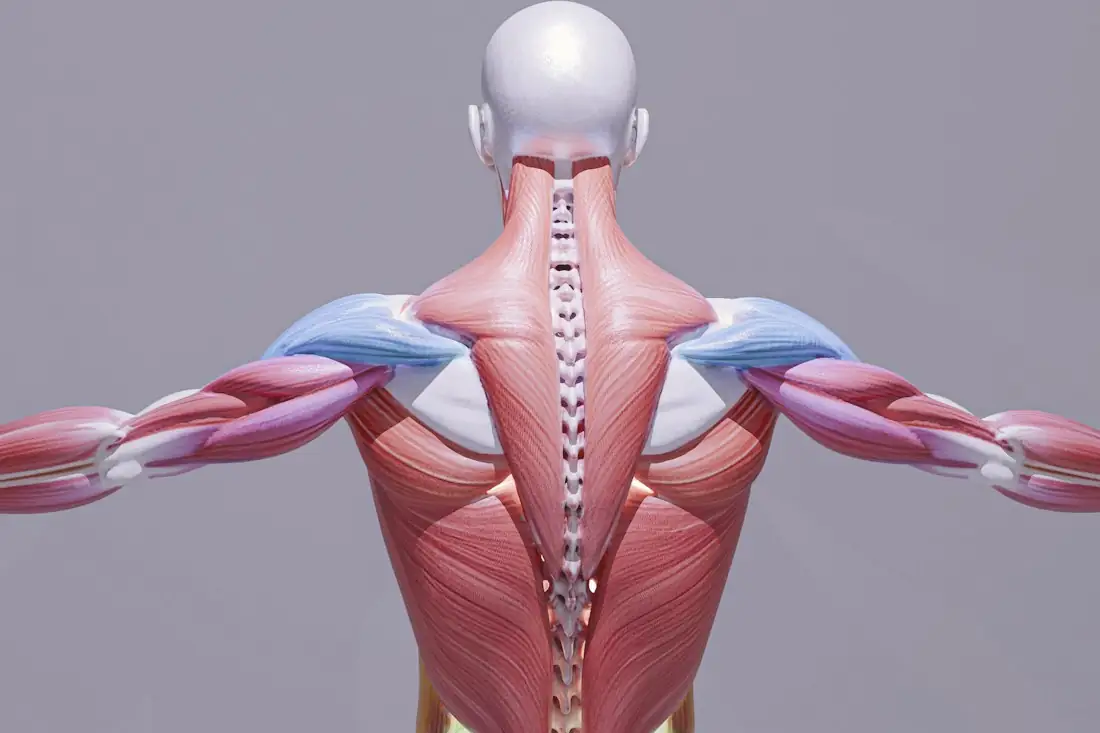
Whiplash-associated disorders often bring neck pain and related symptoms
Neck pain is the central problem. Pain syndromes, both short-term and long-lasting, are common after whiplash trauma [1].
Other symptoms can travel with it. A history of whiplash injury is common in people with cervicogenic headache, a headache that starts from problems in the neck [3]. Many cases of cervicogenic dizziness, a feeling of unsteadiness linked to the neck, have been diagnosed after a whiplash injury [4].
- Neck pain and reduced neck movement [3][4]
- Headache, often on one side, that starts in the neck and spreads toward the face and head [3]
- Nausea, sensitivity to light and sensitivity to sound with the headache [3]
- Imbalance, unsteadiness or disorientation, which may come with a headache [4]
Headaches of this kind can last from one day to weeks, and how often they come is unpredictable [3].
Dizziness and headache after whiplash require a careful professional exam
These symptoms can look like other conditions, so a trained clinician needs to sort them out. Neck-related headache shares features with migraine, which can lead to diagnostic errors [3]. Its differential diagnosis, the list of look-alike conditions, includes migraine and tension-type headache [3].
Dizziness is harder still. There is no definitive test for neck-related dizziness, so it is diagnosed only after other causes are excluded [4]. Those other causes include inner-ear and brain-related disorders, vestibular migraine, concussion of the inner ear, and problems with the blood vessels of the neck [4]. Many medications and cardiovascular, metabolic, neurological, psychological and vision problems can also cause dizziness [4].
Dizziness counts as neck-related only when it is closely tied to changes in neck position or neck joint movement [4].
If a head injury came with the crash, headaches may have more than one source. Brain injury, other headache conditions and medication overuse can all contribute, and pre-existing conditions can change symptoms and recovery [6].
Exercise therapy may help neck pain and disability after whiplash
A review of 27 studies covering 2,127 patients found some positive effects from exercise for people with whiplash-associated disorders [1]. Combined results showed short-term effects on neck pain and medium-term effects on neck disability [1].
The authors still called the evidence base weak. Many studies had no comparison group that went without active treatment [1]. The fair reading is that exercise therapy may provide additional benefit, not that it is proven [1].
A chiropractic clinical guideline favors multimodal care for neck pain
Multimodal care means combining several approaches. One guideline describes it as manual therapy, self-management advice and exercise, and calls that mix an effective strategy for both recent-onset and persistent neck pain [2]. The guideline treats pain lasting more than 3 months as persistent [2].
| Stage | Suggested options |
|---|---|
| Recent-onset (0 to 3 months), grade III whiplash | Multimodal care [2] |
| Persistent (over 3 months), grades I to II whiplash | Supervised exercise with advice, or advice alone [2] |
| Recent-onset (0 to 3 months) neck pain, grades I to II | Any one of: manipulation or mobilization, range-of-motion home exercise, or multimodal manual therapy [2] |
| Persistent (over 3 months) neck pain, grades I to III | Multimodal care or practitioner's advice [2] |
The guideline was built from reviews of randomized trials and checked by an outside committee of medical and chiropractic reviewers [2].
Elastic taping has insufficient evidence after a whiplash injury
In one review, taping improved pain and range of motion in people with recent whiplash-associated disorders, both right away and 24 hours after injury [5]. Long-term results did not differ between the taped and untaped groups [5].
Overall, the review found insufficient evidence to support taping after musculoskeletal injury, although a perceived benefit cannot be ruled out [5]. High-quality studies are few [5].
Sources
- Exercise therapy for whiplash-associated disorders: a systematic review and meta-analysis, Scandinavian journal of pain
- The Treatment of Neck Pain-Associated Disorders and Whiplash-Associated Disorders: A Clinical Practice Guideline, Journal of manipulative and physiological therapeutics
- Cervicogenic headache - How to recognize and treat, Best practice & research. Clinical rheumatology
- How to diagnose cervicogenic dizziness, Archives of physiotherapy
- A systematic review of the effectiveness of kinesio taping for musculoskeletal injury, The Physician and sportsmedicine
- Post-traumatic cephalalgia, NeuroRehabilitation