Guides
Osteomyelitis is a bone infection that needs antibiotics and sometimes surgery
Osteomyelitis is an infection in a bone, and antibiotics are the main treatment [1]. Surgery to clean out infected bone is often needed as well [2][1].
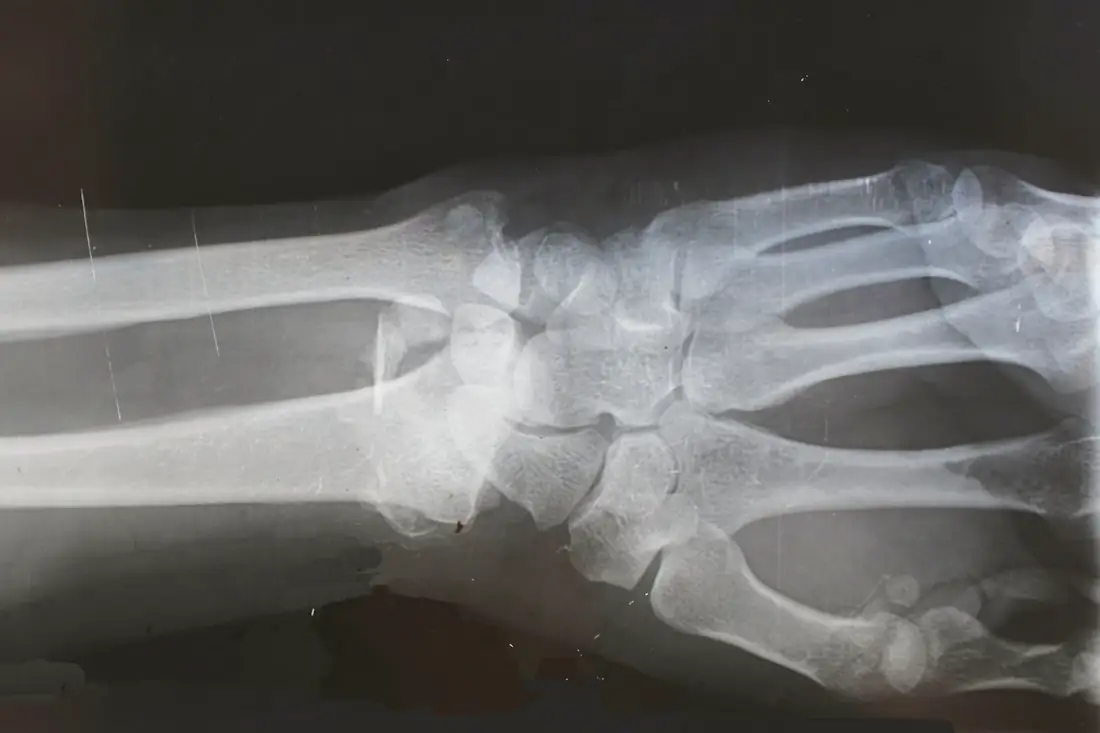
Osteomyelitis is an infection that settles in the bone
Bones can get infected just like other parts of the body. Doctors call a bone infection osteomyelitis. It is an inflammatory condition of the bone that follows an infection [1].
The germs are usually bacteria, but fungi can also be the cause. They may reach the bone from nearby skin or muscle. They may also travel from another part of the body through the bloodstream [2].
Osteomyelitis can be acute or chronic. Diabetes and cardiovascular disease raise the overall risk of both forms [1].
Bone infections cause pain and fever along with swelling
Know the signs of a bone infection. These are the symptoms listed for bone infections [2].
These signs do not prove you have an infection. A blood test or an imaging test such as an x-ray can tell whether a bone infection is present [2].
Diabetes, poor circulation, a recent bone injury and hemodialysis are listed as risk factors for bone infection [2].
Diabetes and poor circulation raise the risk of osteomyelitis
Certain health conditions make bone infection more likely [2][1]. These conditions are listed as risk factors [2][1][3].
- Diabetes [2][1].
- Poor circulation, including peripheral vascular disease [2][3].
- A recent injury to the bone [2].
- Hemodialysis [2].
- Cardiovascular disease, which raises the overall risk of acute and chronic osteomyelitis [1].
Chronic osteomyelitis is becoming more common because conditions such as diabetes and peripheral vascular disease are so common [3].
Doctors diagnose osteomyelitis using tests and a bone sample
Doctors usually diagnose osteomyelitis from your symptoms, with support from imaging and lab findings. A sample of bone gives the definitive answer [1].
| Test | What it adds |
|---|---|
| Blood test | Can help tell if a bone infection is present [2]. |
| Plain x-ray | Usually the first imaging, but it can miss early disease [1]. |
| MRI | More sensitive for areas of dead bone in later stages [1]. |
| Bone scan | A sensitive imaging test that has improved diagnosis [3]. |
| Bone biopsy and culture | Offer a definitive diagnosis [1]. |
| Wound culture | Direct sampling is essential to target treatment [3]. |
An x-ray is also useful for spotting other possible diagnoses and complications [3].
A plain x-ray is usually done first, yet its sensitivity is low in the early stages of disease [1]. An MRI done with and without contrast media is more sensitive for areas of dead bone in later stages [1]. Bone scans, bone x-rays and MRI of the muscles and bones are the imaging tests listed for bone infections [2].
Antibiotics are the primary treatment for osteomyelitis
Treatment includes antibiotics and often surgery [2]. Your care team tailors the antibiotics to culture results and to your own situation [1].
One drug-resistant germ, methicillin-resistant Staphylococcus aureus, has become more common in bone infections. That makes choosing an antibiotic harder [3].
- In children, a sudden infection that spreads through the blood can typically be treated with a four-week course of antibiotics [3].
- In adults, antibiotic treatment for chronic osteomyelitis typically lasts several weeks longer [3].
- In both groups, treatment should cover Staphylococcus aureus [3].
- Surgery to remove infected bone, called debridement, is often needed. It is usually necessary in chronic cases [1][3].
People at high risk, or with extensive disease, may need further surgery [1].
Hyperbaric oxygen therapy is also listed among the treatment topics for bone infections [2].
Chronic osteomyelitis can return after treatment
The chance that chronic osteomyelitis comes back remains high. This is true even after surgery and long-term antibiotics [3].
Surgical debridement is usually necessary in chronic cases, and recurrence still remains high [3].
Doctors may also use staging based on major and minor risk factors. It helps them decide which patients need surgical treatment [1].
Better imaging has helped. Sensitive tests such as MRI and bone scintigraphy have improved diagnostic accuracy and the ability to characterize the infection [3].
For more information, the National Institute of Arthritis and Musculoskeletal and Skin Diseases is listed as a place to find an expert [2].
Sources
- Osteomyelitis: Diagnosis and Treatment, American family physician
- Osteomyelitis, medlineplus.gov
- Diagnosis and management of osteomyelitis, American family physician