Guides
Motor vehicle crashes injure the brain and spinal cord and also the neck and bones
Crash injuries range from mild to catastrophic, and some are easy to miss at first. The emotional toll can also last for years [1].
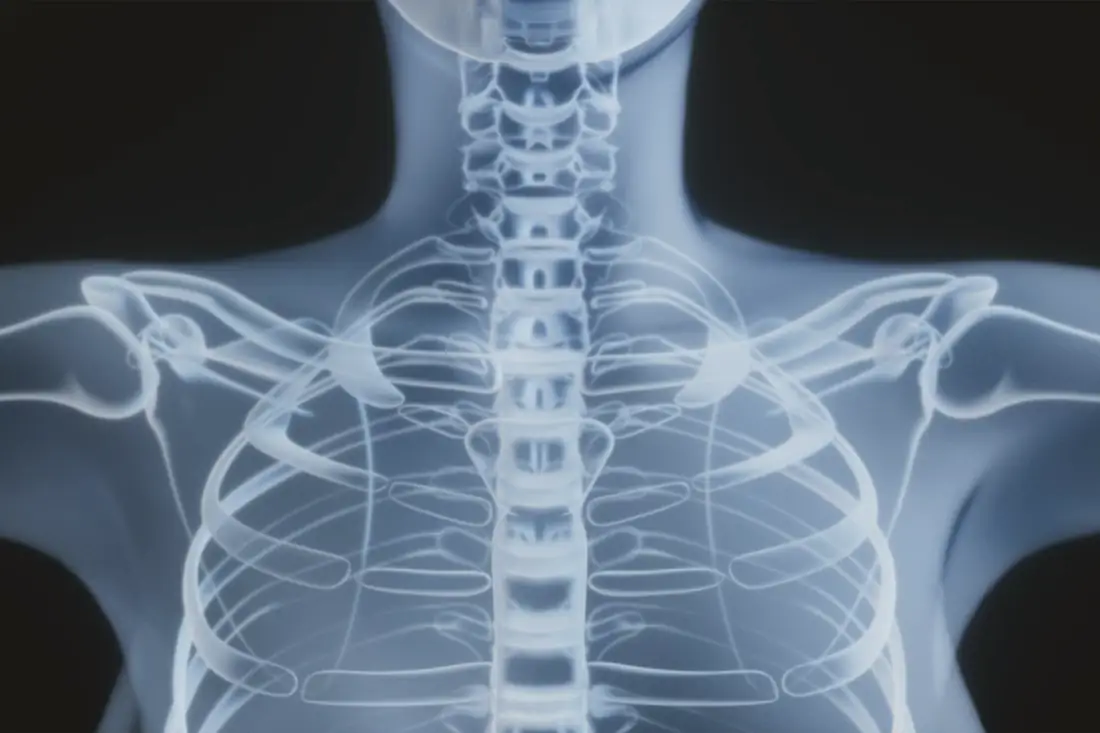
Catastrophic crash injuries include severe brain and spinal cord damage
Researchers call the most serious crash injuries catastrophic [1].
- Severe traumatic brain injury, meaning a significant blow to the head that causes an extended coma [1].
- Spinal cord injury. Up to 40% of people with a sudden spinal cord injury were hurt in a motor vehicle crash [1].
- Severe and extensive burns [1].
- Amputations and blindness [1].
Between 50% and 60% of traumatic brain injury cases are linked to a motor vehicle crash [1].
Hidden injuries can be missed at the first exam and X-ray
Less severe injuries can be overlooked. Many people with a mild brain injury are never assessed in an emergency or outpatient setting after a crash, so there is little physical evidence of the injury [1].
Mild brain injury is not always minor. It accounts for an estimated 70% to 85% of all brain injury cases, and symptoms can be severe [1].
Some bone injuries also hide. In children, a scaphoid fracture (a break in a small wrist bone) may not be clear on early images. It may need to be rechecked after about 10 to 14 days [2]. In the early phase, CT or MRI finds it more reliably than a plain X-ray [2].
Small buckle fractures of the forearm can be hard to see on a plain X-ray. Images from several angles help [2]. One type of growth plate injury may look normal at first and is often found late on follow-up imaging [2].
Whiplash and spinal cord injury and mild brain injury and fractures differ in the research
| Injury | What research says |
|---|---|
| Mild to moderate brain injury | Common after crashes, with symptoms that can be severe [1] |
| Whiplash-associated disorder | Showed the largest rise in distress among the injuries studied [1] |
| Spinal cord injury | Showed a medium to large rise in distress [1] |
| Fractures | Common bone and muscle injuries, but no qualifying studies on distress were found [1] |
Bone and muscle injuries are common after crashes. They affect up to 330 per 100,000 people, compared with 100 to 400 per 100,000 for mild to moderate brain injury [1].
Psychological distress after a crash can last for years
Distress was higher in injured crash survivors than in uninjured people. The rise was large for whiplash, medium to large for spinal cord injury, and small to medium for mild brain injury [1]. It stayed elevated for at least 3 years after the crash in all three groups [1].
Earlier research estimated that 21% to 67% of crash survivors have depressed mood. It put post-traumatic stress disorder at 20% to 40% [1]. When a crash injury leads to distress, medical and rehabilitation costs have been found to double [1].
The review found no qualifying studies for fractures, burns, or low back injury. That means the effect on those groups is unclear, not that there is none [1]. The authors call for rehabilitation strategies to reduce distress after crash injuries [1].
Growth plates in children's bones make pediatric fractures different from adult fractures
A growth plate is the soft area near the end of a child's bone where growth happens. About 18% of children's fractures involve one, and these injuries are more likely during fast growth [2]. Growth plates give way to twisting and shearing forces before nearby ligaments and tendons do [2].
- Children's bones can bend or partly break. Buckle fractures, greenstick fractures, and bending without a visible break are examples [2].
- About 15% of growth plate fractures lead to early closure of the plate, usually around 3 months after injury [2].
- Early closure can slow bone growth and may leave the limb shorter or crooked [2].
Rehabilitation teams may reduce the long-term cost of serious bone and muscle trauma
Care after the hospital stay matters. It accounts for almost half of the costs of serious musculoskeletal trauma, yet the best and most cost-effective ways to deliver it are poorly understood [3].
Reviewers suggest that rehabilitation teams drawing on several specialties may reduce long-term harm and cost [3]. In the United States, the added direct per-person healthcare cost for people with a musculoskeletal injury rose 58% over the last decade [3].
Sources
- Psychological impact of injuries sustained in motor vehicle crashes: systematic review and meta-analysis, BMJ open
- [Radiological Manifestations of Childhood Fractures], Taehan Yongsang Uihakhoe chi
- The Burden of High-Energy Musculoskeletal Trauma in High-Income Countries, World journal of surgery
- Injury factors associated with discharge status from emergency room at two major trauma hospitals in The Gambia, Africa, Injury