Guides
Back pain in children and teens often traces to a spine fracture called spondylolysis
Lower back pain in a child or teen deserves a proper look, because a fracture in the lower spine is a common cause in young athletes [1]. Scoliosis, another spine condition that develops during growth, is usually painless [2].
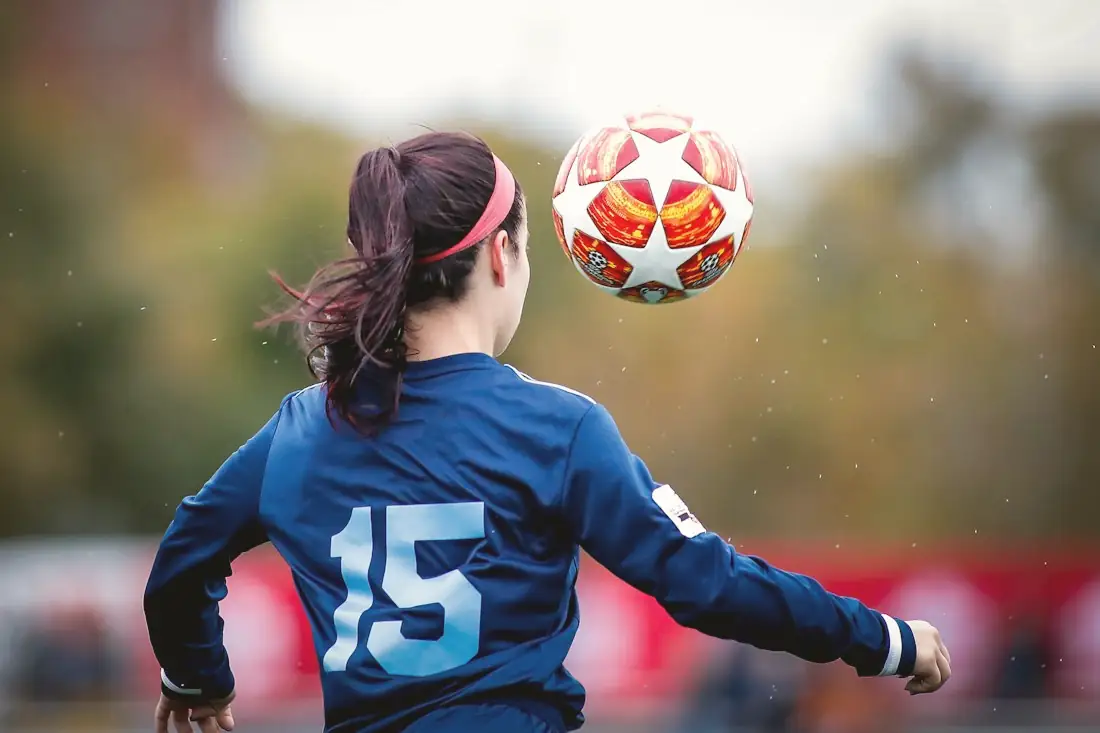
Spondylolysis causes lower back pain in many young athletes
Spondylolysis is a fracture through the pars interarticularis, a part of a lower spine bone. It is a frequent cause of lower back pain in children and adolescents [1].
Sports are a big reason. More children now take part in structured sports. Hard competition puts repeated backward bending and twisting on a spine that is still growing [1].
Because the injury is so common, doctors are advised to put it at the top of their list when a child comes in with lower back pain [1].
Delayed or untreated spondylolysis may leave a defect in the bone
Call your doctor if your child has lower back pain, especially a young athlete. A timely diagnosis allows early treatment [1].
Waiting carries a cost. If spondylolysis is delayed or untreated, the fracture may fail to heal, which is called nonunion, or leave a gap in the bone called a pars defect [1].
If the problem keeps causing symptoms, a child may need surgery. The surgery either fuses the small joints at the back of the lower spine or repairs the pars interarticularis [1].
Doctors use an exam and imaging to find a pars injury
A thorough history and physical examination are essential when a child has lower back pain [1]. Imaging then helps uncover the injury [1].
Spondylolysis treatment often combines rest and bone health care with bracing and therapy
Early treatment for spondylolysis includes rest, optimizing bone health, bracing, and physical therapy [1]. Early diagnosis makes it possible to begin these steps sooner [1].
Patients who have symptoms may need surgery to fuse the lumbar facet joints or repair the pars interarticularis [1].
Adolescent idiopathic scoliosis usually causes no pain but can progress
Adolescent idiopathic scoliosis changes the three-dimensional shape of the spine and trunk. It is usually asymptomatic, meaning it does not cause symptoms [2].
It can still progress during growth and cause cosmetic issues. A final spinal curve above 30 degrees raises the risk of health problems and further curve progression in adulthood [2].
Whether therapeutic exercise can slow progression and delay more invasive treatment is still debated. A Cochrane review found the evidence sparse because studies were small and compared many different things [2].
Manual therapy in children has limited and mixed evidence
Manual therapy means hands-on treatment such as mobilization or spinal manipulation. In the United States, 3.3% of children had received chiropractic or osteopathic manipulation in the prior year in a survey analysis. Most were 12 to 18 years old and were treated for back or neck pain [3].
| Topic | Overall finding |
|---|---|
| Low back pain | Moderate-positive overall assessment [3] |
| Scoliosis (osteopathic treatment) | Inconclusive and unfavorable [3] |
| Most other conditions | Inconclusive favorable or unclear [3] |
| Adverse events | Reported in 20 studies, transient and mild to moderate [3] |
The review's authors called for more robust clinical trials in this area [3]. Serious events are rare but may be related to high-velocity extension and rotational spinal manipulation [3].
Sources
- Spondylolysis 2019 update, Current opinion in pediatrics
- Therapeutic exercises for idiopathic scoliosis in adolescents, The Cochrane database of systematic reviews
- Manual therapy for the pediatric population: a systematic review, BMC complementary and alternative medicine