Guides
ACL tears lead to a choice between reconstruction and exercise-based rehab
An ACL tear does not automatically mean surgery. Studies comparing reconstruction with rehab alone find few differences, mainly in knee stability and recovery time [1].
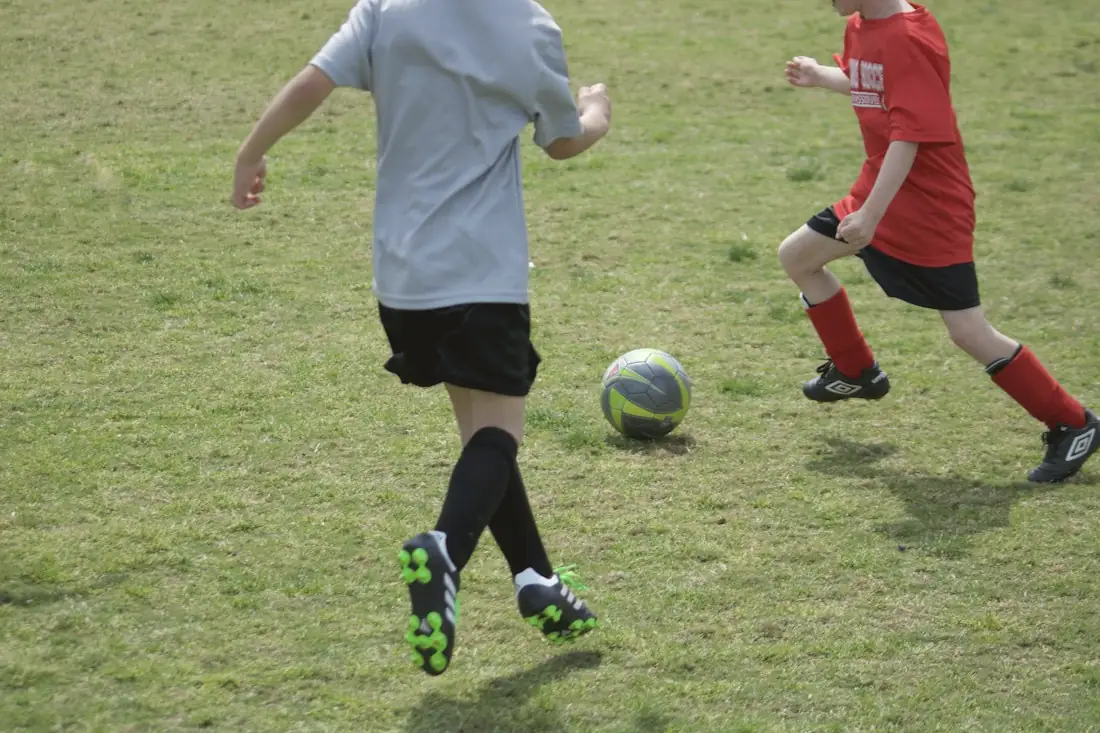
Doctors diagnose an ACL tear with hands-on knee tests and MRI
The anterior cruciate ligament (ACL) is a band inside the knee that stops the shin bone from sliding forward, twisting inward too far, and bending back too far [1]. Those jobs keep the knee stable, which matters most in sports with pivoting, sudden slowing and quick changes of direction [1].
Diagnosis rests on your history, physical tests such as the Lachman and anterior drawer tests, and MRI [1]. ACL injuries are often caused by a non-contact movement during sports, and they are graded as sprains of Grade 1, 2 or 3 by severity [1].
About 50% of ACL injuries come with damage to other parts of the knee, such as nearby ligaments, the menisci (cushioning cartilage), or the cartilage covering the bone surface [1].
Knee instability and damage to nearby structures change which ACL treatment fits
The choice depends on the severity of the injury, damage to other structures, fitness level and athletic goals [1].
- Giving way during exercise was reported by 13 non-operated patients and none of the operated patients in one study [1].
- A positive pivot shift test, a hands-on check of looseness, was found in 61.8% of the non-operative group and 28.4% of the operative group in the same study [1].
- Damage to other knee structures occurs in about half of ACL injuries and is one of the factors in the decision [1].
Short-term effects of an ACL rupture include reduced mobility, reduced stability and pain [1]. Longer-term problems include arthritis, ongoing instability and reinjury [1].
Studies comparing reconstruction with rehab alone find few differences
| Measure | Surgery compared with rehab alone |
|---|---|
| Knee stability | Higher in the surgery group in all papers [1] |
| Time to return to sports | Significantly longer in the surgery group [1] |
| Overall knee scores | Two studies favored surgery, two found no significant difference [1] |
| Arthritis | Only one paper found a significantly higher risk after surgery [1] |
| Complications | Only one paper found significantly more after surgery [1] |
The reviewers concluded that very few differences were seen between the groups, and that large, long trials are still needed [1].
A separate review looked at return to sport. Reconstruction was not linked to higher return-to-sport rates than rehab alone [2]. The evidence was low or very low certainty because the studies varied and many had a high risk of bias [2].
Knee pain, other symptoms, sports function and quality of life from exercise-based rehab were comparable to reconstruction at 2 and 5 years after a recent ACL injury [2]. Even so, most people in the USA and other countries have reconstruction, although guidance suggests trying rehab first in most cases [2].
ACL reconstruction replaces the torn ligament with a graft
Surgery either reconstructs the ligament with a graft, which is tissue taken from your own body (autograft) or from a donor (allograft), or repairs it by reattaching the torn ligament to the shin bone or thigh bone [1]. Autografts can come from the patellar, quadriceps or hamstring tendon [1].
Surgery is generally recommended for a Grade 3 or complete tear, and non-surgical care fits Grade 1 injuries best [1]. Many factors still enter the decision [1]. Non-surgical care tends to work better for partial tears without instability, for low-demand activity, and for children whose growth plates are still open [1]. Active adults in sports or manual jobs are commonly considered for surgery [1].
Surgery does not guarantee a return to the sport you played before. In one meta-analysis, 65% of people returned to pre-injury sport after reconstruction and 55% to competitive sport [2]. Two-thirds did not return to their pre-injury level within the first year, and up to one-quarter had a second ACL injury [3]. Half of injured people develop symptomatic arthritis within 10 years, regardless of operative or non-operative treatment [3].
Rehabilitation after an ACL injury progresses by milestones instead of the calendar
Recommended exercise-based rehab is phased, and you move ahead when you meet milestones rather than after a set time [2]. It covers strength, neuromuscular control (how well muscles guide the joint), balance, agility, power and sport-specific skills, and it addresses range-of-motion problems, pain, swelling and fear of reinjury [2].
- Updated guidelines for clinicians call for frequent and accurate testing of thigh (quadriceps) strength [4].
- Updated guidelines describe criterion-based progressions for running, sprinting, jumping, agility and cutting or pivoting, meaning steps are tied to benchmarks [4].
- Return to competition on a later timeline than older routines allowed [4].
- Updated guidelines also include a prevention program after return to sport [4].
Among rehab methods after an ACL injury, moderate-certainty evidence shows that electrical muscle stimulation improves quadriceps strength [3]. Open and closed chain exercises worked similarly, and so did structured home-based and in-person rehab [3]. A knee brace after surgery was ineffective for physical function and looseness [3].
Low-certainty evidence suggests exercise before surgery may improve function afterward [3]. Overall, evidence for rehab methods is mostly low, and there is little agreement on the best components [3].
Sources
- Conservative vs Surgical Treatment of Anterior Cruciate Ligament Rupture: A Systematic Review, Cureus
- No Difference in Return-to-Sport Rate or Activity Level in People with Anterior Cruciate Ligament (ACL) Injury Managed with ACL Reconstruction or Rehabilitation Alone: A Systematic Review and Meta-Analysis, Sports medicine (Auckland, N.Z.)
- Rehabilitation after anterior cruciate ligament and meniscal injuries: a best-evidence synthesis of systematic reviews for the OPTIKNEE consensus, British journal of sports medicine
- ACL Reconstruction Rehabilitation: Clinical Data, Biologic Healing, and Criterion-Based Milestones to Inform a Return-to-Sport Guideline, Sports health